Tailored Protein Repair with the JUMP70 Platform
As illustrated, the modular design of the JUMP70 platform enables the creation of precise, disease-focused programs by pairing a disease-specific targeting domain with a conserved protein quality control activation domain.
This approach has generated multiple programs, including SOL-257 targeting misfolded TDP-43 in ALS, SOL-175 for polyglutamine-associated disorders, and SOL-368 directed toward misfolded alpha-synuclein in Parkinson’s disease.
In preclinical ALS models, SOL-257 is designed to bind aggregated TDP-43, recruit HSP70 activity, and promote restoration of normal protein folding. This targeted engagement is associated with improvements in motor-neuron structure and cellular function.
Together, these examples illustrate how the JUMP70 platform translates selective protein repair into functional cellular recovery across multiple neurodegenerative disease settings.
Targeting Misfolded TDP-43 with Precision
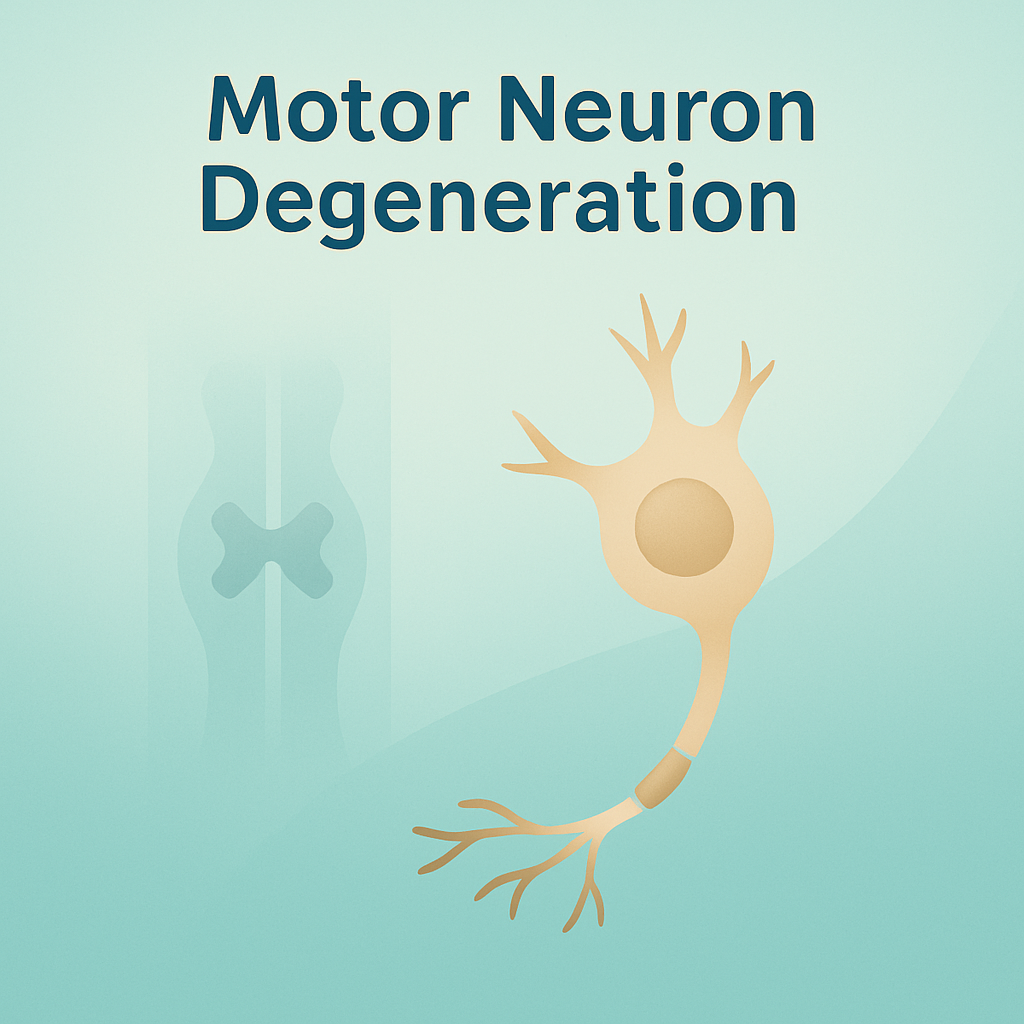
Amyotrophic lateral sclerosis (ALS) is a progressive neurodegenerative disease marked by the loss of motor neurons in the brain and spinal cord, ultimately leading to muscle weakness, paralysis, and respiratory failure. Despite its severity, effective disease-modifying therapies remain limited.
A defining molecular hallmark of ALS is the accumulation of misfolded TDP-43 protein in affected neurons – found in over 95% of patients, including both sporadic and genetic forms. This aberrant TDP-43 conformation disrupts protein homeostasis, contributing to neurotoxicity and disease progression.
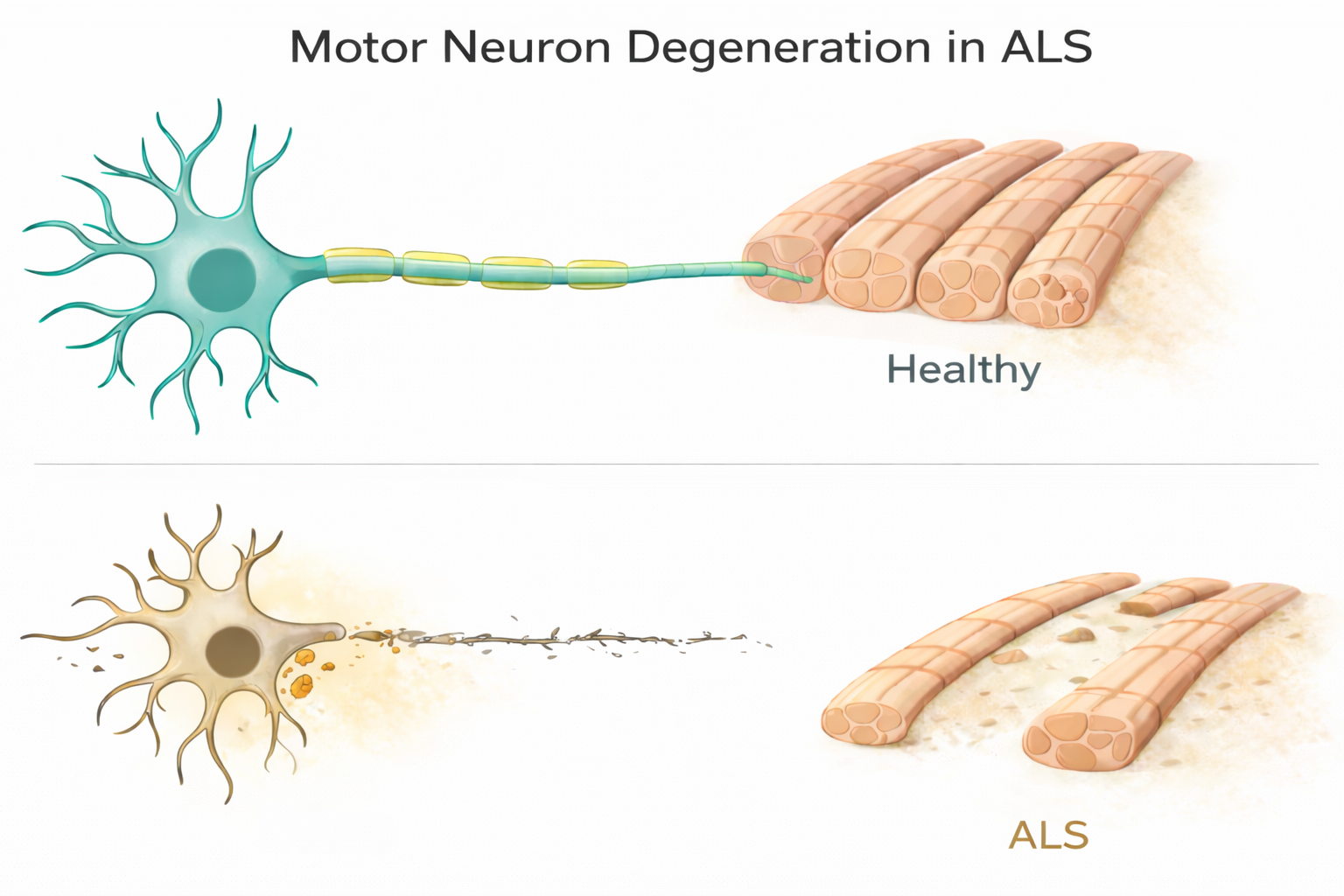
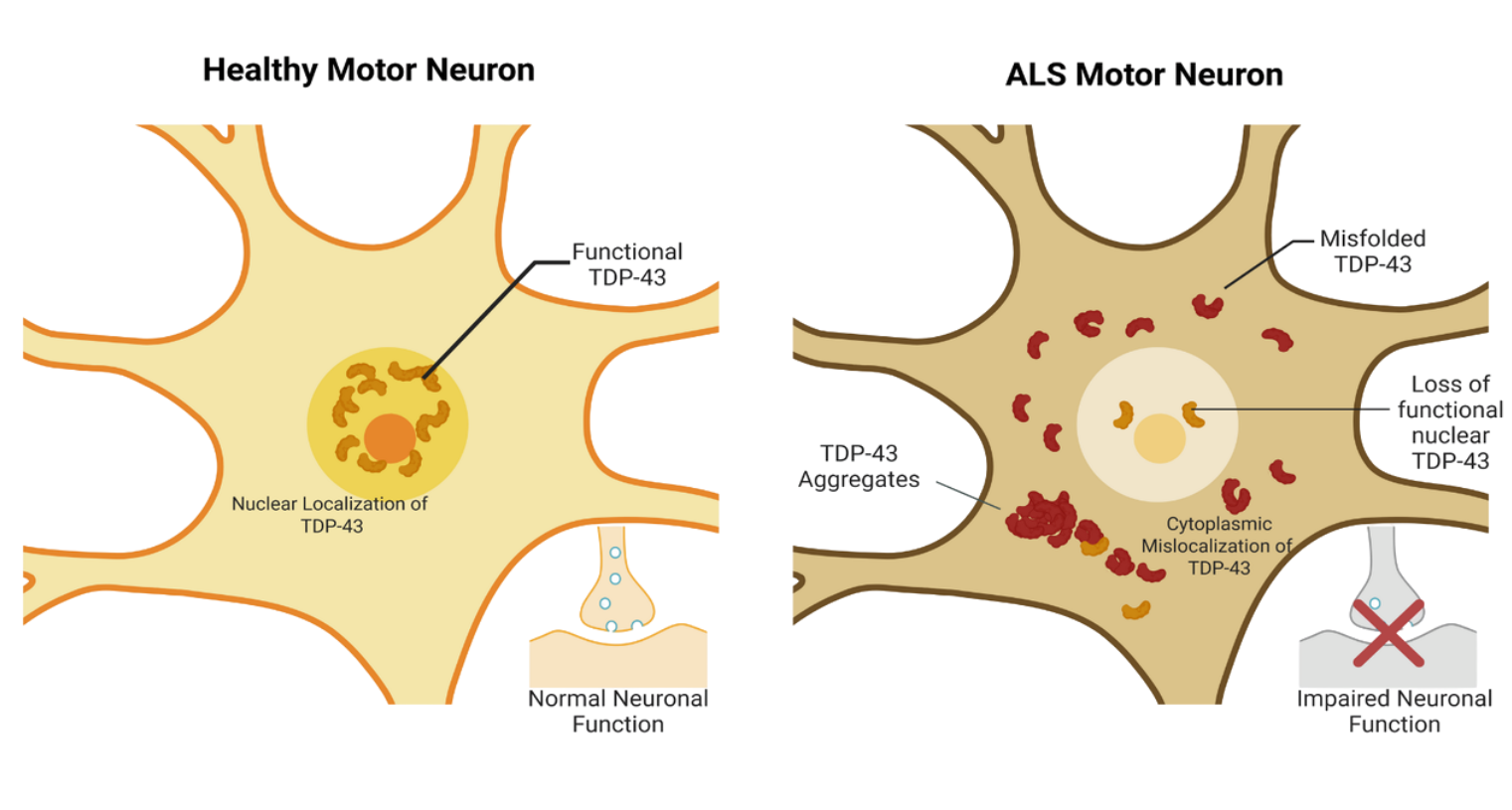

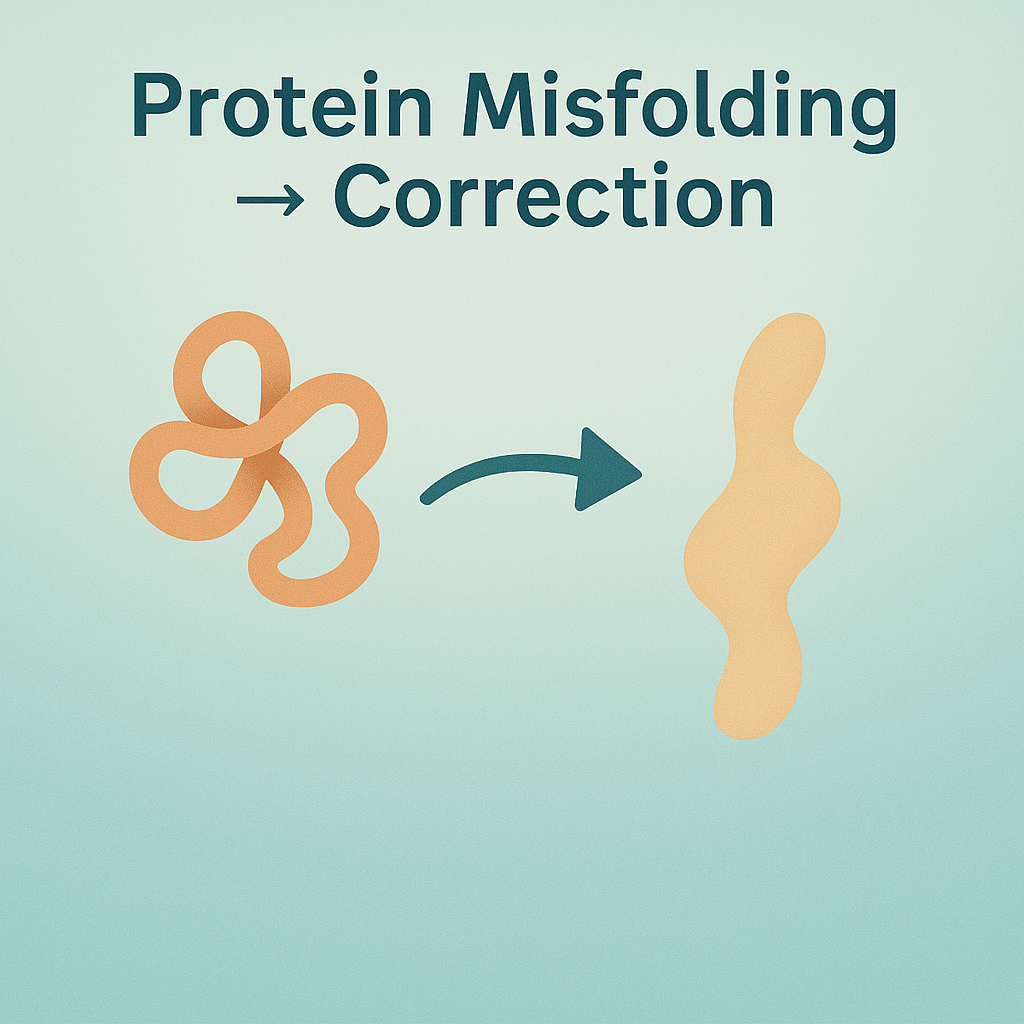
SOL-257 is a therapeutic program developed using the JUMP70 platform to address this challenge. It combines a TDP-43–specific targeting domain with an HSP70 activation domain, directing the cell’s natural protein quality control machinery toward misfolded TDP-43 species. By engaging HSP70 — a key molecular chaperone involved in protein repair — SOL-257 is designed to restore proper TDP-43 folding and reduce pathological aggregation.
In preclinical studies, SOL-257 demonstrated:
These findings support SOL-257 as a precision therapy that promotes recovery of protein homeostasis, offering potential disease-modifying benefits for the majority of ALS patients.
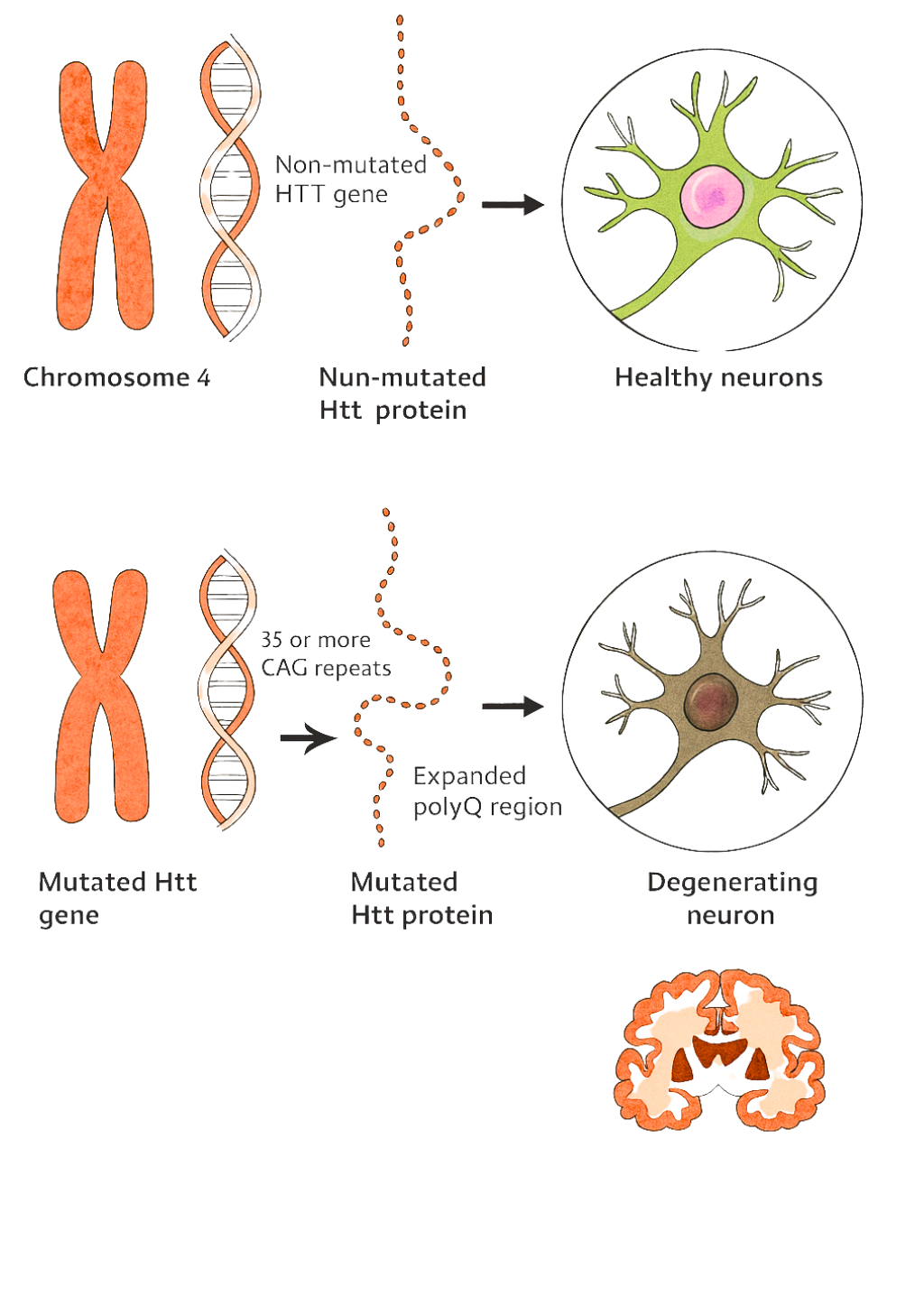
Huntington’s disease (HD) is a genetic neurodegenerative disorder characterized by progressive motor dysfunction, including chorea, dystonia, bradykinesia, and impaired coordination, as well as cognitive decline. In the United States, HD affects more than 30,000 individuals, with over 200,000 additional people at risk of inheriting the disease from an affected parent.
The molecular basis of HD is well established. The disease is caused by expansion of a CAG trinucleotide repeat in exon 1 of the Huntingtin (HTT) gene, resulting in an abnormal huntingtin protein containing an expanded polyglutamine (polyQ) tract. This expanded polyQ region adopts aberrant conformations, leading to protein misfolding and accumulation into toxic oligomers and larger aggregates.
Accumulation of misfolded mutant huntingtin is believed to play a central role in HD pathogenesis by disrupting normal cellular function and neuronal health. Despite a clear genetic cause, HD currently cannot be prevented or cured, and available treatments are limited to symptomatic management.
Parkinson’s disease (PD) is a progressive neurodegenerative disorder that primarily affects movement, leading to symptoms such as tremor, rigidity, slowed movement (bradykinesia), and postural instability. As the disease advances, many patients also experience non-motor symptoms, including cognitive impairment, mood changes, and autonomic dysfunction. PD affects millions of people worldwide, and current treatments are largely limited to symptomatic management rather than modification of disease progression.
SOL-368 is a JUMP70-based therapeutic program designed to selectively target misfolded alpha-synuclein, a central pathological driver of Parkinson’s disease. By combining an alpha-synuclein–specific targeting domain with a protein quality control activation domain, SOL-368 is engineered to direct the cell’s native machinery toward disease-associated alpha-synuclein species.
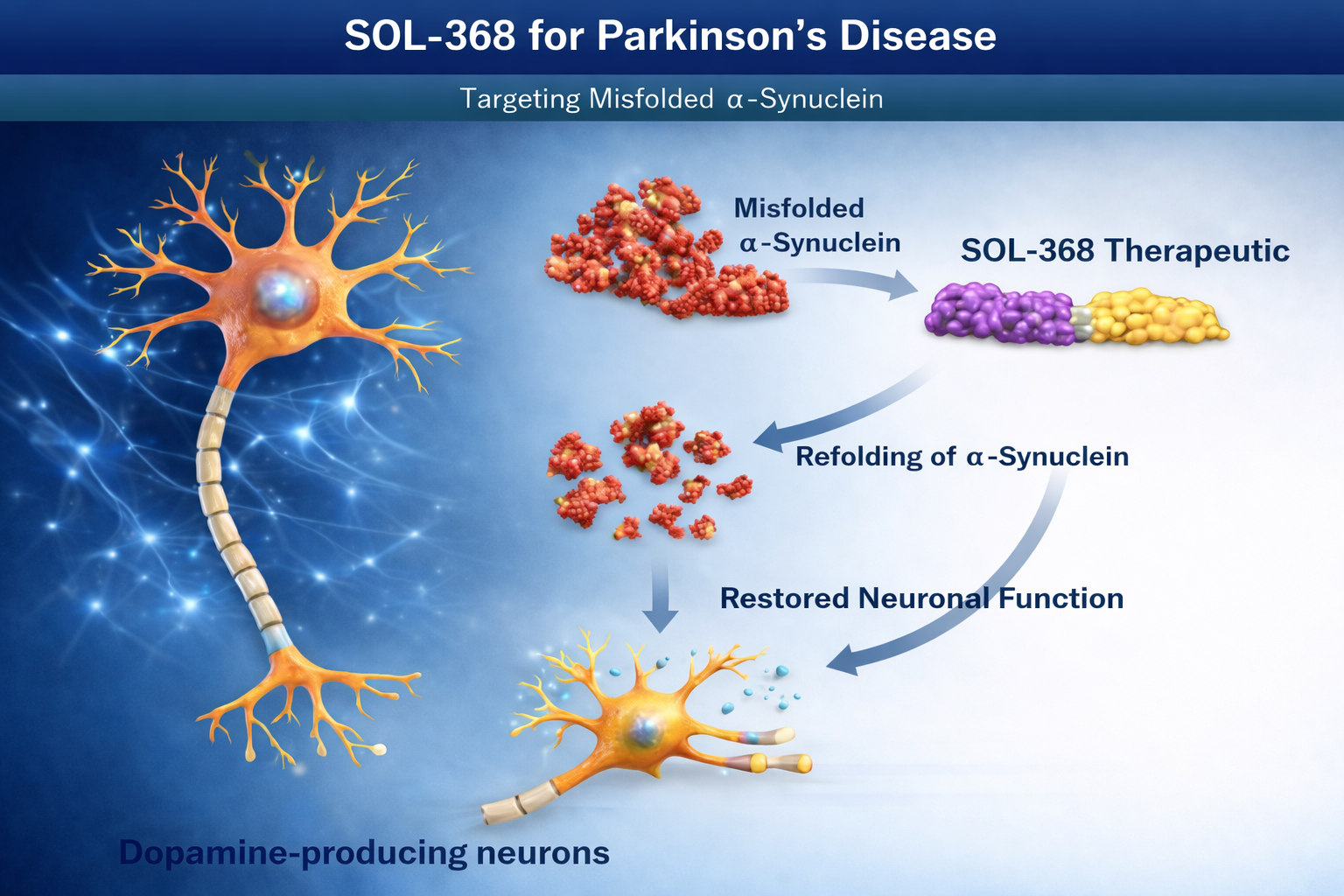
In Parkinson’s disease, misfolded alpha-synuclein accumulates within neurons, forming toxic oligomers and aggregates that disrupt cellular function and contribute to neurodegeneration. SOL-368 is designed to recognize these abnormal protein conformations while sparing normal alpha-synuclein, enabling selective engagement of pathogenic species.
Through this targeted approach, SOL-368 applies the JUMP70 platform to restore protein quality control in affected neurons, with the goal of reducing alpha-synuclein–associated cellular stress and preserving neuronal function. This program exemplifies how the JUMP70 platform can be adapted to distinct neurodegenerative diseases by pairing disease-specific targeting with a shared protein quality control mechanism.