JUMP70 Platform Technology

Activating the Body’s Natural Protein Quality Control System

Many diseases share a common biological challenge: proteins inside our cells fail to fold into their correct shapes. When proteins misfold, they lose their normal function and can accumulate inside cells, interfering with essential cellular processes and leading to tissue dysfunction.

Our cells are equipped with an internal protein quality control system, a network of molecular mechanisms that helps proteins fold correctly and manages those that are damaged or misfolded. In disease states, this system can become overwhelmed or insufficient to keep pace with abnormal protein stress.

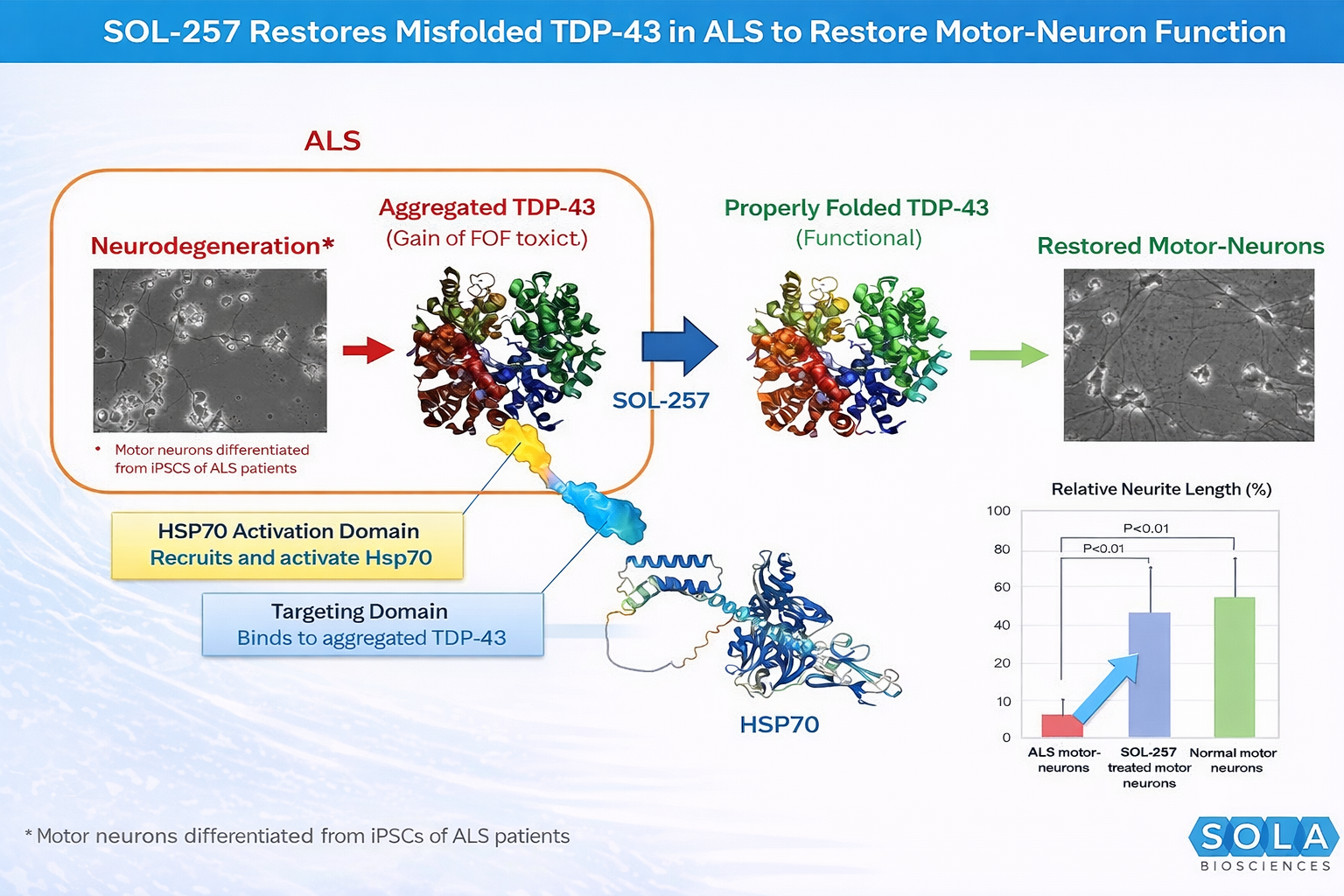
The JUMP70 platform is designed to address this fundamental imbalance by selectively engaging the body’s own protein quality control machinery, helping cells recognize, manage, and resolve disease-associated proteins more effectively.


Protein Quality Control Failure

Inside healthy cells, specialized quality control systems continuously monitor protein structure. These systems help proteins fold correctly and ensure that damaged or misfolded proteins are repaired, recycled, or safely removed.

When protein stress exceeds the cell’s capacity to manage it, this quality control process can break down. Misfolded proteins are no longer efficiently handled and begin to accumulate, disrupting normal cellular function.

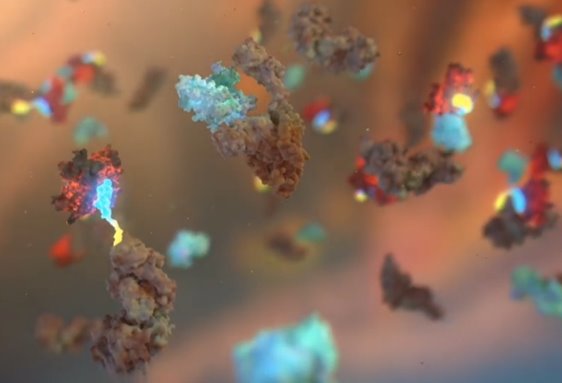
As shown in the video, protein quality control failure can lead to:

  • Accumulation of misfolded proteins inside cells
  • Interference with essential cellular processes
  • Progressive cellular dysfunction and loss of cell health

Many current treatment approaches focus on managing symptoms or downstream consequences of disease, rather than directly addressing this fundamental breakdown in protein quality control.

The JUMP70 Approach

The JUMP7 Approach: Precision Matters

A defining feature of the JUMP70 platform is selectivity.

Rather than broadly activating cellular stress responses, JUMP70 is designed to work with precision — engaging protein quality control mechanisms only where they are needed.

Specifically, the platform is designed to:

  • Act on disease-associated protein conformations
  • Avoid global activation of protein-folding pathways
  • Preserve normal protein function within healthy cells

By focusing activity on abnormal proteins while leaving normal cellular processes intact, JUMP70 aims to reduce unintended effects and enhance therapeutic potential.

A Platform with Broad Potential

While individual programs may target specific diseases, the JUMP70 platform is inherently modular and extensible.

Protein misfolding and impaired protein quality control are shared biological mechanisms across many conditions. Because of this, the JUMP70 approach has the potential to be adapted across:

  • ALS and other protein-misfolding–driven neurological disorders
  • Additional indications where selective protein quality control is disrupted

As highlighted in the video, this platform-level strategy is designed to enable expansion beyond a single disease, supporting the development of multiple targeted therapeutic programs.

Re -Thinking Neurodegenerative Disease Treatment

Neurodegenerative diseases have traditionally been treated by managing symptoms or targeting downstream consequences of cellular damage. While these approaches can provide benefit, they often do not address the underlying biological drivers of disease progression. JUMP70 represents a shift in strategy, from reacting to damage after it occurs to addressing disease at its molecular origin. By harnessing the body’s own protein quality control systems and directing them with precision, the platform aims to intervene earlier in the disease process. This approach opens a new pathway toward potentially disease-modifying therapies for neurodegenerative conditions with significant unmet medical need.